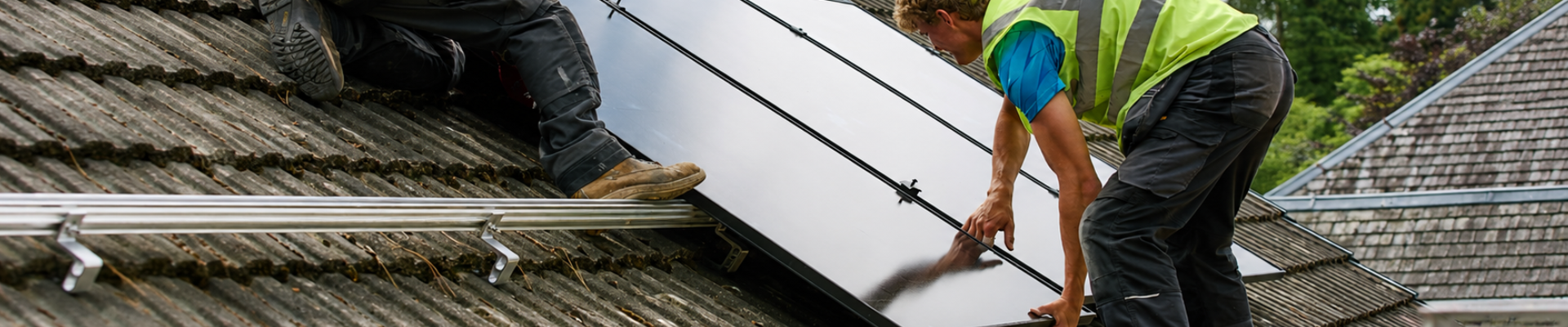

Solar Panel Installation in Perthshire
Solar panel installation provides a reliable way to generate your own electricity and reduce ongoing energy costs when the system is designed correctly for the property.
Installations are carried out in Perthshire, including Perth and surrounding areas, with each system planned around roof layout, available space, and how electricity is used day to day. The focus is on delivering consistent, long-term performance rather than short-term output.
For larger or specialist projects, installations may also be considered further afield where appropriate. Where a project is outside the local area, the company is also open to working on a subcontract basis with local contractors or principal installers.
All work is completed under MCS certification, ensuring recognised standards are met and allowing access to available incentives, including 0% VAT. As experienced solar panel installers in Scotland, all installations follow recognised industry standards.
What’s Involved in Solar Panel Installation
Solar panel installation is delivered as a structured process, ensuring the system is set up correctly from the outset and performs as expected over time.
This typically includes an initial survey to assess roof layout and suitability, followed by system design based on energy usage and expected output. Installation then covers panel fitting, mounting systems, inverter setup, and full integration with the existing electrical supply.
Once installed, the system is fully tested, commissioned, and handed over ready for use.
Most domestic installations are completed within 1–2 days, depending on system size and access. As part of this, work is carried out by qualified solar panel fitters in Perthshire, ensuring installations meet required standards.
Choosing the Right Panels for Your Property
Panel selection plays a key role in how much energy the system can generate and how efficiently available roof space is used.
Most installations use monocrystalline panels, which offer higher efficiency and perform well in varying daylight conditions. This makes them particularly suited to properties across Perthshire and wider Scottish conditions, where roof orientation and light levels can differ.
Panel choice is based on:
- Available roof area
- Desired system size
- Budget and long-term performance expectations
The aim is to select panels that deliver reliable output over the lifespan of the system.
System Sizing & Getting the Right Fit
System size is measured in kWp (kilowatts peak), which indicates the maximum output under standard conditions.
Typical system sizes include:
- Standard homes: around 3kWp – 5kWp
- Larger homes or higher usage: 5kWp – 8kWp
- Commercial systems: sized based on demand and roof capacity
Sizing is based on electricity usage, when that energy is used, and how much of that demand can be offset by solar generation.
Future requirements, such as EV charging or battery storage, are also considered at this stage to avoid the need for system changes later.
After Installation
Once installed, solar PV systems operate with minimal ongoing input.
Monitoring systems allow you to track energy generation and usage, giving a clearer picture of how the system performs over time.
Solar panels are typically designed to operate for 25 years or more, with output gradually reducing rather than dropping off suddenly. Inverters have shorter lifespans and may require replacement over time.
Maintenance requirements are generally low, with occasional cleaning depending on the property and environment.
Add Battery Storage to Maximise Your Savings
Battery storage allows unused electricity generated during the day to be stored and used later, particularly in the evening when demand is higher.
This increases the amount of solar energy used on-site and reduces reliance on grid electricity.
👉 Add battery storage to maximise your savings
Why Choose Perth City Electric
Choosing the right installer has a direct impact on how well the system performs over time.
Work is planned carefully from the outset, with systems designed around actual usage and property layout rather than fixed assumptions.
- MCS-certified solar panel installers
- Established work across Perthshire and surrounding areas
- Systems designed around real usage patterns
- Clear, straightforward advice from the outset
- Clean, efficient installation process
From initial survey through to final commissioning, the focus is on delivering a system that performs consistently and meets expectations.
Frequently Asked Questions
How many solar panels do I need for my home?
This depends on your energy usage, roof size, and system design. Most homes require between 8 and 16 panels, though this varies based on the property.
How long do solar panels last?
Solar panels typically last 25 years or more, with gradual reduction in output over time rather than sudden failure.
Do solar panels need planning permission?
Most installations fall under permitted development. Additional checks may be required for listed buildings or certain property types.
What happens to my solar panels during a power cut?
For safety reasons, standard systems shut down during a power cut. Battery systems can provide backup depending on configuration.
Can solar panels be installed on any roof type?
Solar panels can be installed on most roof types, including tiled, slate, and metal roofs, subject to survey and suitability.
Get a Quote for Solar Panel Installation
If you’re looking for solar panel installation in Perthshire, including Perth, you can request a quote based on your property, usage, and system requirements.