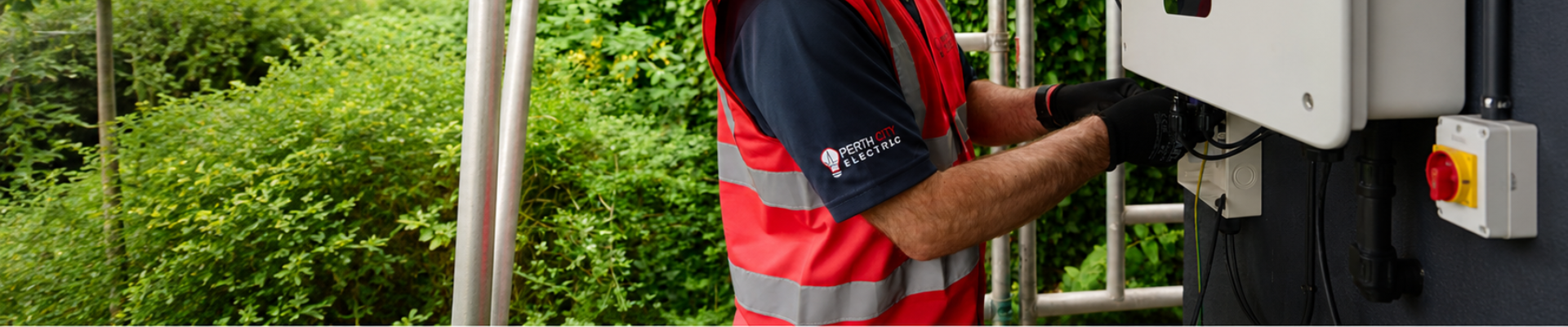

Solar Battery Storage in Perthshire
Solar battery storage allows you to store electricity generated by your solar panels and use it when you need it.
Instead of exporting unused energy back to the grid, it can be stored and used later in the day, particularly in the evening when demand is higher. This increases the amount of solar energy used on-site and reduces reliance on grid electricity.
Battery systems are installed across Perthshire, including Perth and surrounding areas, either as part of a new solar installation or added to an existing system. Larger or specialist projects may also be considered further afield where appropriate.
As part of this, systems are installed in line with standards expected for battery storage in Scotland.
What Battery Storage Does
Solar panels often generate more electricity than is used during the day. Without storage, that excess is exported to the grid.
Battery storage changes how that energy is used, allowing more of it to be retained and used within the property.
- Stores excess electricity generated during the day
- Allows stored energy to be used later when needed
- Reduces electricity imported from the grid
- Improves overall system efficiency
Export tariffs such as the Smart Export Guarantee (SEG) allow unused energy to be sold back to the grid, but rates are typically lower than the cost of buying electricity. Battery storage allows more of that energy to be used directly.
This is why solar battery storage in Scotland is often used to increase on-site energy use rather than relying on export.
Adding Battery Storage: New Install or Retrofit
Battery systems can be installed in two ways, depending on your setup.
Adding Battery Storage to a New Solar Installation
Battery storage can be included as part of the system from the start. This allows everything to be designed together, with the battery sized to match both the system and how electricity is used.
This approach is common for solar panels with battery storage in Scotland, where systems are designed to maximise self-use from the outset.
Already Have Solar Panels?
Battery storage can also be added to existing solar panel systems. This is a common upgrade for properties looking to increase self-use and reduce reliance on exported energy.
System compatibility is assessed before installation to ensure everything integrates correctly, particularly for solar panel battery storage systems in Perthshire.
Battery Types and Systems Installed
Battery systems are selected based on reliability, performance, and compatibility with the overall setup.
Most installations use lithium-ion battery systems designed for residential and small commercial use. These systems provide strong performance, consistent charging and discharging, and a long operational lifespan.
Selection depends on usage, available space, and how the battery will operate alongside the solar PV system.
How Much Battery Storage Do You Need?
Battery capacity is measured in kilowatt hours (kWh), which represents how much energy can be stored.
Typical residential systems range from:
- 5kWh – 10kWh for standard households
- Larger capacities for higher usage or properties with EV charging
Sizing is based on electricity usage, how much excess solar is generated, and how much of that energy you want to retain for later use.
The aim is to store enough energy to cover key periods of demand, particularly in the evening. This is especially relevant for home battery storage systems in Scotland, where usage patterns vary across the year.
What To Expect with Savings and Usage
Battery storage helps increase the proportion of solar energy used within the property.
In practical terms, this can reduce electricity imported from the grid, improve overall system efficiency, and provide more predictable energy costs over time.
Savings vary depending on usage and system size, but properties with consistent daytime generation and evening demand typically see the greatest benefit.
Smart Export Guarantee (SEG) Explained
The Smart Export Guarantee (SEG) allows solar system owners to receive payment for electricity exported to the grid.
However, export rates are usually lower than the cost of purchasing electricity. Battery storage allows more of the generated energy to be used within the property instead of being exported.
This helps retain more value from the energy produced.
Why Choose Perth City Electric
Choosing the right installer has a direct impact on how well a battery system performs over time.
Work is planned carefully from the outset, with systems sized around actual usage and installed with long-term performance in mind.
- MCS-certified solar and battery installers
- Experience across domestic and commercial systems
- Battery systems matched to usage and solar output
- Clear advice based on your property and expected benefit
- Clean, organised installation with minimal disruption
From initial assessment through to final commissioning, the focus is on delivering a system that performs reliably over time.
Frequently Asked Questions
Can I add battery storage to my existing solar panels?
Yes. Battery systems can be added to most existing solar PV installations. The current setup is assessed first to confirm compatibility and ensure the battery integrates correctly.
How much does a solar battery cost?
Costs vary depending on system size, capacity, and installation requirements. A system is priced based on your property, usage, and how much energy you want to store.
How long does a solar battery last?
Most battery systems are designed to last between 10–15 years. Performance gradually reduces over time depending on usage and charge cycles.
Will battery storage work during a power cut?
Some systems can provide backup power, depending on how they are configured. This is discussed during system design.
Is solar battery storage worth it?
Battery storage can increase how much solar energy is used on-site, particularly in the evening, helping reduce reliance on grid electricity.
Get a Quote for Battery Storage
If you’re considering battery storage in Perthshire, including Perth, you can get a clear recommendation based on your setup and energy usage.